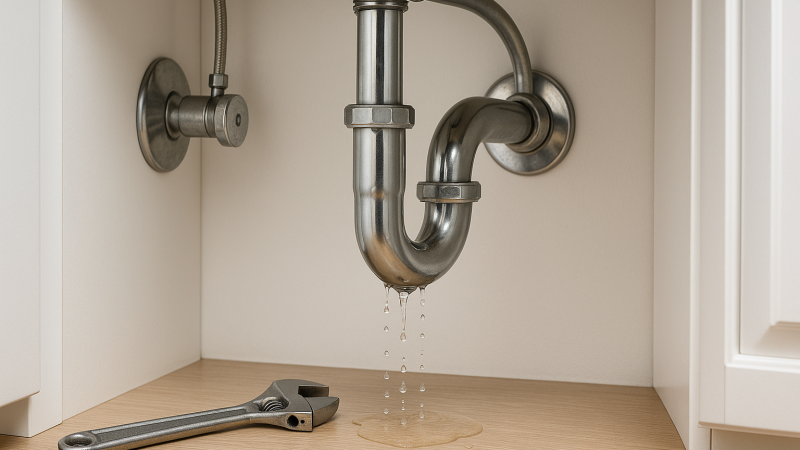
A burst pipe emergency is one of the most damaging and stressful home repair situations a homeowner can face. Water from a burst pipe can cause thousands of dollars in structural damage, destroy personal belongings, and create conditions for mold growth within 24 to 48 hours. Knowing exactly what to do in the first 15 minutes of a burst pipe emergency can significantly reduce the total damage and cost of repairs.
Safety Disclaimer: Never enter a room with standing water if there is any possibility that electrical outlets, appliances, or wiring are submerged or wet. Water and electricity are a lethal combination. Turn off the circuit breaker for affected areas before entering if you can do so safely from a dry location. If you cannot safely shut off electricity, stay out and call emergency services. Do not use electrical appliances, including fans or dehumidifiers, in flooded areas until a licensed electrician has confirmed it is safe to do so.
Burst Pipe Emergency: Immediate Steps to Take
When you discover a burst pipe emergency, follow these steps immediately to minimize damage:
- Step 1 — Shut off the main water supply: Find your home’s main water shutoff valve and turn it off immediately. In most homes, this is located near the water meter, in the basement, or in a utility closet. Turning off the main stops all water flow to the home.
- Step 2 — Turn off electricity in affected areas: If water is near electrical outlets, panels, or appliances, turn off the circuit breaker for those areas. Do not enter flooded areas with active electricity.
- Step 3 — Open faucets to drain remaining water: After shutting off the main, open faucets throughout the home to drain any remaining water from the pipes and reduce pressure.
- Step 4 — Document all damage: Take photos and video of all water damage before any cleanup. This documentation is essential for your insurance claim.
- Step 5 — Call an emergency plumber: Contact a licensed emergency plumber immediately. The longer water flows or sits, the greater the damage.
- Step 6 — Contact your insurance company: Report the damage to your homeowners insurance company as soon as possible. Ask about emergency repair coverage and preferred contractors.
- Step 7 — Begin water removal: Use mops, towels, and wet/dry vacuums to remove standing water. Open windows and doors to promote drying if weather permits.
Why Pipes Burst: Common Causes
Frozen Pipes
Frozen pipes are the most common cause of burst pipe emergencies in cold climates. When water freezes inside a pipe, it expands with tremendous force — enough to split copper, PVC, and even steel pipes. Pipes most vulnerable to freezing include those in unheated spaces like garages, crawl spaces, and attics, pipes along exterior walls with inadequate insulation, and pipes in vacation homes or properties left unheated during winter. The pipe often does not burst while frozen — it bursts when it thaws and the pressure is released.
Corrosion and Age
Older homes with galvanized steel or cast iron pipes are at higher risk of burst pipes due to corrosion. Galvanized pipes typically last 40 to 70 years before corrosion causes significant deterioration. As pipes corrode, the walls thin and weaken, making them susceptible to bursting under normal water pressure. If your home has galvanized pipes and is more than 40 years old, a plumbing inspection can assess the condition of your pipes and help you plan for replacement before an emergency occurs.
High Water Pressure
Excessively high water pressure — above 80 PSI — puts constant stress on pipes, joints, and fixtures, increasing the risk of pipe failure. Normal residential water pressure should be between 40 and 80 PSI. A pressure reducing valve (PRV) can be installed to regulate incoming water pressure. If you notice banging pipes (water hammer), frequently dripping faucets, or appliances wearing out quickly, high water pressure may be the cause. A licensed plumber can test your water pressure and install a PRV if needed.
Burst Pipe Repair Cost Breakdown
The total cost of a burst pipe emergency includes both the pipe repair and any resulting water damage restoration:
- Accessible pipe repair (exposed in basement or utility room): $200 to $600
- Pipe repair inside wall or ceiling: $500 to $2,000 (includes opening and patching wall)
- Slab leak repair (pipe under concrete foundation): $1,500 to $5,000
- Water extraction and drying: $500 to $3,000
- Drywall repair after pipe access: $300 to $1,500
- Flooring replacement (if water-damaged): $500 to $5,000
- Mold remediation (if mold develops): $500 to $6,000
According to FEMA’s water damage guidance, acting within the first 24 to 48 hours is critical to preventing mold growth after water damage. For information on water damage restoration standards, see the EPA’s mold cleanup guidelines. Use our AI repair assistant to help assess your burst pipe situation and find emergency plumbers in your area.
Mold Prevention After a Burst Pipe
Mold can begin growing within 24 to 48 hours of water damage from a burst pipe. Preventing mold requires rapid water extraction, thorough drying of all affected materials, and monitoring humidity levels in the affected area. Professional water damage restoration companies use industrial dehumidifiers and air movers to dry structural materials — drywall, subfloor, and framing — that cannot be dried with household fans alone. If drywall or insulation has been saturated, it typically must be removed and replaced to prevent mold growth inside wall cavities. Do not close up walls or replace flooring until moisture readings confirm the structure is completely dry.
Homeowners who experience a burst pipe should also check their home’s water pressure after repairs are complete. A pressure reducing valve (PRV) set to maintain 50 to 60 PSI protects pipes, fixtures, and appliances from the stress of high pressure. Additionally, consider installing a whole-home water leak detection system — smart sensors that detect moisture and automatically shut off the water supply when a leak is detected. These systems, which cost $200 to $600 installed, can prevent a burst pipe from causing thousands of dollars in water damage, especially in vacation homes or properties that may be unoccupied for extended periods.
When to Call a Professional for a Burst Pipe Emergency
Call a licensed emergency plumber immediately for any burst pipe situation. This is not a DIY repair — burst pipes require professional diagnosis to identify the full extent of the damage, proper pipe repair techniques to ensure a lasting fix, and water damage assessment to prevent mold. After the plumber repairs the pipe, contact a water damage restoration company if there is significant water intrusion. See our home repair guides and cost guide library for more emergency repair resources.
Conclusion
A burst pipe emergency requires immediate action to minimize damage. Shut off the main water supply, document the damage, call an emergency plumber, and contact your insurance company as quickly as possible. Repair costs range from $200 for a simple accessible pipe fix to $10,000 or more when water damage restoration and mold remediation are required. Preventive measures — insulating pipes, maintaining proper water pressure, and knowing where your shutoff valve is — are the best protection against burst pipe emergencies.