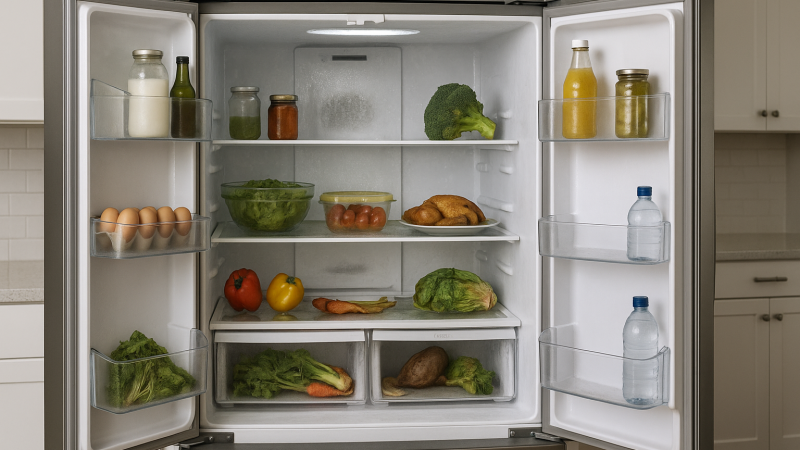
A refrigerator not cooling is one of the most urgent appliance problems a homeowner can face — spoiled food, food safety risks, and a potentially expensive repair or replacement decision all arrive at once. Before you call an appliance technician or start shopping for a new fridge, there are several safe checks you can perform yourself. This guide covers the most common causes, DIY troubleshooting steps, repair cost estimates, and when to call a professional.
Why Is My Refrigerator Not Cooling?
Most refrigerator cooling failures trace back to a handful of common causes. Identifying the right one before calling a technician can save you a diagnostic fee and help you make a smarter repair-vs-replace decision.
Dirty or Blocked Condenser Coils
Condenser coils release heat from the refrigerant as it cycles through the system. When coils are coated with dust, pet hair, and debris — which happens over 1–2 years of normal use — they cannot release heat efficiently. The result: the compressor works harder, the fridge runs warmer, and energy bills rise. Cleaning the condenser coils is the single most common DIY fix for a refrigerator not cooling properly.
Evaporator Fan Not Running
The evaporator fan circulates cold air from the freezer compartment into the refrigerator section. If this fan fails, the freezer may stay cold while the refrigerator warms up. Open the freezer and listen — you should hear the fan running. If it is silent and the compressor is running, the evaporator fan motor may need replacement.
Frost Buildup on Evaporator Coils (Defrost System Failure)
Modern refrigerators have an automatic defrost system that periodically melts frost off the evaporator coils. If the defrost heater, defrost thermostat, or defrost timer fails, frost accumulates on the coils and blocks airflow — causing the refrigerator to warm up gradually over days or weeks. This is one of the most common causes of a refrigerator not cooling in units over 5 years old.
Door Gasket Failure
The rubber door gasket (seal) keeps cold air inside the refrigerator. A cracked, torn, or warped gasket allows warm air to continuously enter, forcing the compressor to run constantly and still fail to maintain temperature. Test the gasket by closing the door on a piece of paper — if you can pull the paper out easily, the gasket is not sealing properly.
Compressor or Refrigerant Issue
The compressor is the heart of the refrigeration system. A failing compressor, refrigerant leak, or failed start relay will cause the refrigerator to stop cooling entirely. These repairs are expensive — often $300–$600 or more — and on older units, replacement is frequently more cost-effective than repair.
Temperature Control or Thermostat Failure
A failed temperature control thermostat may prevent the compressor from cycling on, causing the refrigerator to warm up even though all other components are functional. This is a relatively inexpensive repair ($100–$250) if diagnosed correctly.
Refrigerator Repair Cost Estimates
Repair costs vary by the failed component, refrigerator brand, and your location.
Cost by Repair Type
- Condenser coil cleaning (DIY): $0 – $20 (coil brush)
- Door gasket replacement: $100 – $250 (parts + labor)
- Evaporator fan motor replacement: $150 – $300
- Defrost heater or thermostat replacement: $150 – $350
- Temperature control thermostat: $100 – $250
- Compressor replacement: $300 – $600+ (parts + labor)
- Refrigerant recharge (if leak found): $200 – $400+
- Appliance technician diagnostic visit: $75 – $150
As a general rule: if the repair cost exceeds 50% of the refrigerator’s replacement value, replacement is usually the smarter financial decision — especially on units over 10 years old.
How to Safely Troubleshoot a Refrigerator Not Cooling
Work through these steps before calling a technician. Many cooling problems can be resolved without a service call.
Step 1: Check the Temperature Settings
Verify the refrigerator is set to 35–38°F (2–3°C) and the freezer to 0°F (-18°C). A bumped dial or accidentally changed digital setting is a surprisingly common cause of a warm refrigerator.
Step 2: Check the Condenser Coils
Locate the condenser coils — on most models they are behind the kick plate at the bottom front or on the back of the unit. If they are visibly coated with dust and debris, clean them with a coil brush or vacuum. This alone resolves many cooling issues.
Step 3: Check the Door Gaskets
Inspect the door seals for cracks, tears, or gaps. Run the paper test: close the door on a dollar bill — if it slides out easily, the gasket needs replacement. Also check that nothing inside the fridge is blocking the door from closing fully.
Step 4: Listen for the Evaporator Fan
Open the freezer door and listen for the fan. If the freezer is cold but the refrigerator is warm, and you cannot hear the fan running, the evaporator fan motor is likely the culprit.
Step 5: Check for Frost Buildup
Remove the back panel inside the freezer compartment. If you find a solid block of frost covering the evaporator coils, the defrost system has failed. A temporary fix is to manually defrost by unplugging the unit for 24–48 hours with the doors open — but the underlying defrost component will need professional replacement.
DIY Safety: What You Can and Cannot Do
Refrigerator troubleshooting is generally safe for homeowners. A few cautions apply.
Safe DIY Actions
- Checking and adjusting temperature settings
- Cleaning condenser coils (unplug first)
- Testing and replacing door gaskets
- Manual defrost (unplug, doors open, 24–48 hours)
- Replacing the evaporator fan motor (intermediate DIY skill)
- Replacing the defrost heater or thermostat (intermediate DIY skill)
Always Call a Licensed Appliance Technician For
- Any repair involving refrigerant — handling refrigerant requires EPA Section 608 certification
- Compressor replacement
- Sealed system repairs (compressor, condenser, evaporator, refrigerant lines)
- Any electrical repair beyond component swap-out
The U.S. Department of Energy’s refrigerator efficiency guidance recommends keeping condenser coils clean and door seals tight as the two most impactful maintenance steps for refrigerator performance and longevity.
According to ENERGY STAR, refrigerators over 10–15 years old consume significantly more energy than current models — making replacement a financially sound choice when facing a major repair on an aging unit.
When to Call a Pro for a Refrigerator Not Cooling
Call a licensed appliance technician if:
- The compressor is not running (no hum, no vibration)
- The refrigerator is completely warm after checking all DIY steps
- You suspect a refrigerant leak (oily residue near coils, hissing sound)
- The unit is under warranty — DIY repairs may void coverage
- The refrigerator is less than 5 years old — most components should be repairable cost-effectively
For more guidance, explore our appliance repair resources, review our home repair cost guides, or use the HouseFixWise AI assistant to benchmark technician quotes. Our repair guides can help you find qualified local appliance repair professionals.
Frequently Asked Questions About a Refrigerator Not Cooling
What is the first thing to check when a refrigerator stops cooling?
Check the temperature settings first — a bumped dial is a surprisingly common cause. Then check the condenser coils for dust buildup and the door gaskets for a proper seal. These three checks resolve the majority of mild cooling issues without a service call.
Why is my freezer cold but my refrigerator warm?
This is almost always caused by a failed evaporator fan motor or frost buildup on the evaporator coils blocking airflow from the freezer to the refrigerator section. Listen for the evaporator fan running in the freezer — if it is silent, the motor likely needs replacement.
How long does a refrigerator last?
Most refrigerators last 10–20 years with proper maintenance. If your unit is over 15 years old and facing a major repair (compressor, sealed system), replacement is usually more cost-effective than repair.
Is it worth repairing a refrigerator that is not cooling?
It depends on the repair cost and the unit’s age. If the repair costs less than 50% of replacement value and the unit is under 10 years old, repair is usually worthwhile. For units over 10–15 years old facing compressor or sealed system repairs, replacement is often the better investment.
Can I fix a refrigerator not cooling myself?
Many causes — dirty condenser coils, failed door gaskets, evaporator fan motor, defrost heater — are within reach for intermediate DIYers. Compressor replacement and any refrigerant work require a licensed technician with EPA Section 608 certification.
Conclusion
A refrigerator not cooling is stressful, but many causes are diagnosable and fixable without an immediate service call. Start with the simple checks — temperature settings, condenser coils, door gaskets — before calling a technician. For compressor issues, refrigerant leaks, or units over 10 years old facing major repairs, weigh repair cost against replacement value carefully. For more help, browse our HouseFixWise tools directory or explore our full library of appliance repair guides.
HouseFixWise provides informational guidance only. For appliance repairs involving refrigerant or sealed systems, always hire a licensed appliance technician.